AI Business
How Creators Use Digital Twin AI Avatars For Their Content
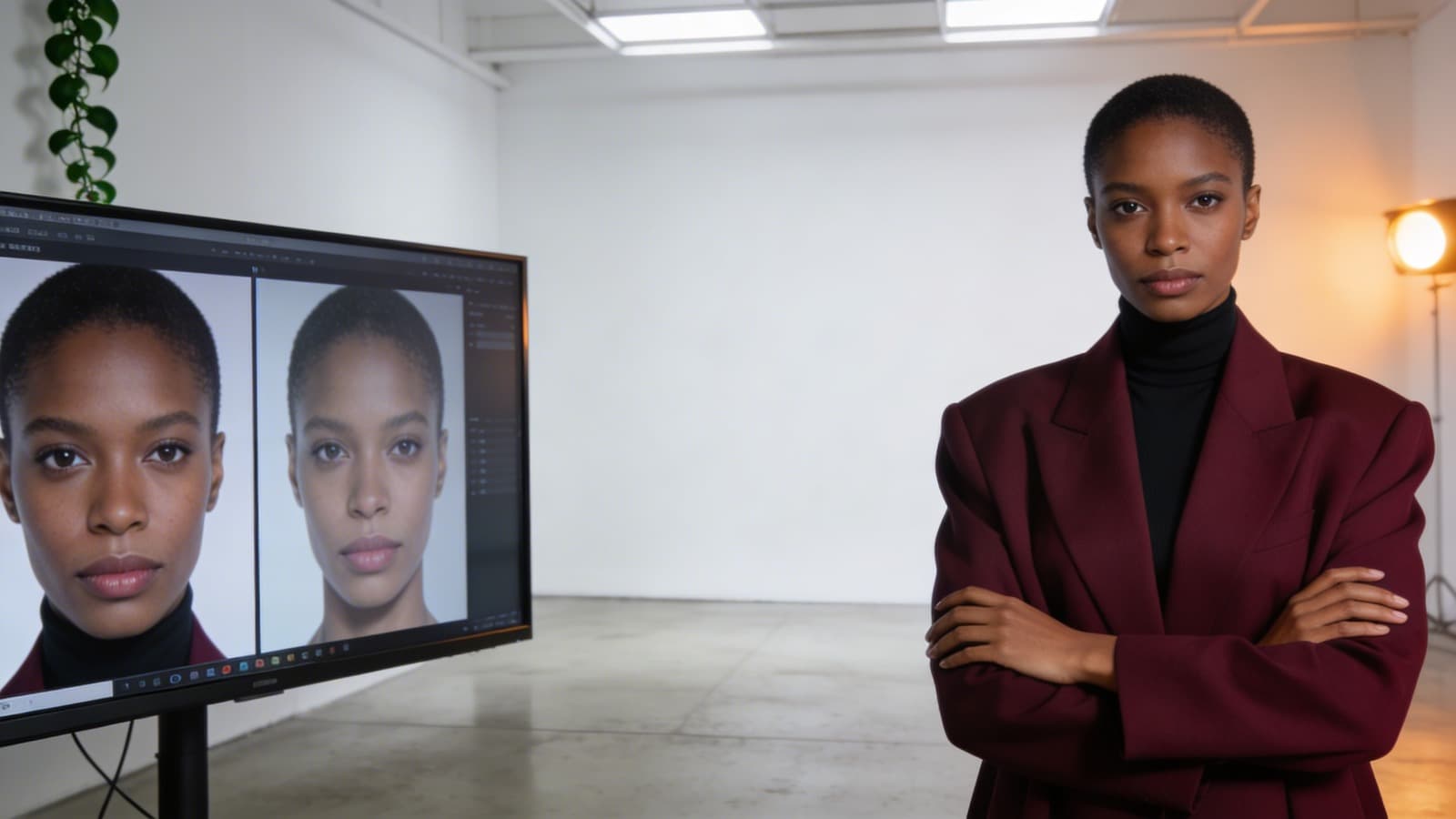
Most people hear 'digital twin' and picture something from a science fiction film. The reality is much more practical and much more accessible than that.
What a Digital Twin AI Avatar Is and Why It Matters for Creators
Most people hear 'digital twin' and picture something from a science fiction film. The reality is much more practical and much more accessible than that.
The Straightforward Definition of a Digital Twin AI Avatar
A digital twin AI avatar is a realistic AI-generated version of a real person, built to replicate their voice, appearance, and way of communicating. Once created, it can be used to produce video content at scale without the original person needing to sit in front of a camera for every piece. The result looks and sounds like you, speaks in your tone, and delivers your content with your face, but the recording process is handled by AI after the initial setup.
How a Digital Twin Differs From a Generic AI Avatar
Generic AI avatars are fictional presenters with no connection to a specific person. A digital twin is built from real footage and audio of you specifically. That distinction matters because audiences can tell the difference between a synthetic character and a consistent, recognisable human face. A digital twin keeps your personal brand intact while removing the time pressure of constant filming. The content stays personal. The production process becomes much faster.
Who Is Already Using Digital Twin Avatars for Content
Coaches, educators, content creators, and brand founders are building digital twins to deliver course content, explainer videos, social media posts, and tutorials without being physically present for every recording. At AK Academy, digital twins are used to deliver educational content faster and more consistently, sharing tutorials, insights, and practical AI education at scale while keeping the communication personal and human.
Why Content Creators Are Switching to Digital Twins in 2026
The demand for video content has never been higher. Every platform rewards consistent video publishing. Most creators cannot keep up with that demand when every video requires filming, lighting, editing, and reshooting. Digital twins change that equation.
The Real Cost of Filming Every Video Yourself
Filming takes time before, during, and after. You need good lighting, a quiet space, the right energy, and enough uninterrupted time to record something worth publishing. For someone running a business, coaching clients, or managing multiple income streams, that combination is hard to find consistently. A digital twin removes most of those constraints. Once it is set up, producing a new video takes a fraction of the time a traditional recording would.
How to Scale Content Output Without Losing Your Personal Brand
One of the biggest fears creators have about automation is that their content will start to feel generic. With a digital twin, the output still carries your face, your voice, and your delivery style. The AI is not replacing your personality. It is reproducing it at a pace that would be physically impossible to maintain manually. A creator who could previously publish two videos a week can now publish every day without the workload increasing proportionally. Before investing time in a digital twin, it is worth making sure your broader content strategy and income path are clear, because this tool works best when it serves a defined goal.
Using a Digital Twin to Reach Multilingual Audiences
One practical application that is already generating significant results for creators is multilingual content. A digital twin can deliver the same video in Spanish, French, Portuguese, or any other language with your face and a voice that matches your tone, without you speaking those languages yourself. For anyone building an international audience, this removes one of the most expensive and time-consuming barriers to growth. This is also one of the income opportunities where producing multilingual content for brands is becoming a standalone service.
How to Create Your Own Digital Twin AI Avatar
The process is more straightforward than most people expect. The initial setup requires some focused time upfront, and after that the system runs efficiently.
What to Record Before You Start Building Your Avatar
To build a digital twin, you start by recording a short video of yourself, typically two to five minutes of footage, looking directly at the camera, speaking clearly in your natural tone. Most tools ask for good lighting and a neutral background to get the cleanest result. Some platforms also ask for a separate voice recording to train the audio component. The better the quality of your initial footage, the more accurate and convincing the final avatar will be. Think of it as the one investment of time that replaces hundreds of future recordings.
How the Digital Twin Training Process Works
Once you upload your footage to a platform like HeyGen, the tool analyses your facial movements, expressions, and voice patterns and builds a model that can reproduce them when given a new script. From that point forward, producing a new video means writing a script, pasting it into the platform, selecting your avatar, and generating the video. The whole process for a two-minute video typically takes under ten minutes from script to finished file. If you have already built strong prompt writing skills, writing clear and well-structured scripts for your avatar becomes faster over time.
How Long It Takes to Set Up a Digital Twin From Scratch
For most people, the initial recording and upload takes one to two hours. Processing time on the platform varies but is usually complete within a few hours. By the end of a single afternoon, a creator can have a working digital twin ready to produce content. The first few videos will likely need some adjustment in terms of script pacing and delivery, but the quality improves quickly once you understand how your avatar reads different types of text.
The Best AI Tools for Building a Digital Twin Avatar
Choosing the right tool depends on what kind of content you want to produce and what level of visual quality you need.
HeyGen for Realistic Talking-Head Digital Twin Videos
HeyGen is the most widely used platform for building realistic digital twins and producing talking-head style videos. It handles the full pipeline from avatar creation to video generation, supports multiple languages, and produces output that works well for educational content, social media, and course delivery. It has a free trial that is sufficient to test the quality before committing to a paid plan. For anyone building a content-based income stream, HeyGen is the most practical starting point.
Higgsfield for Cinematic AI Video Content
Higgsfield produces AI video with a noticeably higher level of cinematic quality than most other tools. Where HeyGen prioritises talking-head realism and multilingual delivery, Higgsfield is better suited for short-form content that needs to look visually impressive. Brands, premium creators, and anyone offering high-ticket video production services will find that Higgsfield produces results that stand out on platforms like Instagram and TikTok. If you are building AI video services for clients, Higgsfield gives your work a visual edge that justifies higher pricing.
ChatGPT and AI Studio for Scripts and Avatar Workflows
The avatar is only as good as the script it delivers. ChatGPT handles scripting, tone matching, and educational structuring, which means the written input going into your digital twin can be produced quickly and at a consistent quality. AI Studio provides structured workflows for avatar training and management. Used together, these tools cover the full production process from script to published video with minimal manual effort at each stage.
How to Use a Digital Twin to Scale Your Content Output
Having a digital twin is one thing. Knowing where to deploy it effectively is what makes the difference between a novelty and a genuine production asset.
Using a Digital Twin for Course and Educational Content Delivery
This is where digital twins deliver the most immediate value. If you teach anything, whether through a course, a membership, tutorials, or free content, a digital twin lets you produce lesson videos, update existing modules, and add new content without booking filming time. The consistency of delivery also tends to be higher because the avatar does not have off days, does not rush through material, and does not require multiple takes. Prompt writing is one of the five foundational AI skills worth building early if you want to get the most out of scripting for your avatar.
Scaling Social Media and Short-Form Video With a Digital Twin
Posting video content daily on Instagram Reels, TikTok, or YouTube Shorts requires a volume of content that very few creators can sustain manually. A digital twin makes daily posting genuinely achievable. Write a short script, generate the video, add captions in CapCut, and publish. The whole workflow for a 60-second Reel can take 15 minutes once the process is set up, which is one reason AI content creators using this approach are able to build audiences significantly faster than those relying entirely on manual filming.
Producing Multilingual Content at Scale With Your AI Avatar
If growth beyond your current audience is a priority, producing content in additional languages is one of the most direct ways to reach new markets. A digital twin removes the language barrier from that process entirely. Record the original script in your primary language, translate it, and generate a new version with your avatar delivering the content in the target language. The face stays the same. The audience in that market sees a consistent, recognisable presenter rather than subtitles over footage clearly filmed in a different language.
How AK Academy Uses Digital Twins for AI Education
AK Academy has integrated digital twins into its own content production to demonstrate exactly what is possible and to deliver more value to the community faster.
Delivering AI Education Faster Without Losing Quality
The AK Academy team uses digital twins to deliver tutorials, insights, and AI education across platforms without every piece of content requiring a full filming session. The result is a faster publishing cadence, more consistent visual quality, and the ability to cover more topics in less time. The digital presenters carry the same tone and communication style as the real team members, so the content feels personal even when the production process is largely automated.
What This Means for Your Own Content Business
Seeing a real organisation use this technology in its daily operations is more useful than a theoretical explanation of what is possible. When AK Academy publishes a tutorial delivered by a digital twin, that is the same workflow you can apply to your own content, your own course, or your own client services. The tools are the same. The process is the same. The main variable is how clearly you define what you want the avatar to communicate and how well you write the scripts that drive it.
Common Mistakes When Building a Digital Twin Avatar
Will Your Audience Be Able to Tell It Is AI
Most audiences, when watching well-produced digital twin content, do not identify it as AI-generated unless they are told. The quality of tools like HeyGen has improved to the point where the visual output is convincing in standard viewing conditions. That said, being transparent about using AI in your content is increasingly common and often received positively. Many creators mention it openly, which builds trust rather than undermining it.
The Setup Mistake That Affects Your Avatar Quality
The biggest mistake people make when creating a digital twin is recording their initial footage in poor lighting or with inconsistent audio. The AI can only work with what you give it. A two-minute recording in good natural light with clear audio produces a significantly better avatar than a longer recording in unflattering conditions. Treat the initial recording session as the one time you invest in getting this right, and the output quality will reflect that.
The Difference Between a Digital Twin and a Synthetic AI Avatar
A digital twin is built from you. A synthetic avatar is a fictional AI character with no connection to a real person. Both have their uses, but they serve different purposes. If your goal is to scale your personal brand, maintain audience trust, and produce content that feels genuinely connected to you, a digital twin is the right choice. If you are building a faceless content channel or creating AI characters for a different purpose, a synthetic avatar makes more sense. The two are not interchangeable.
Final Thoughts
Digital twins are not a replacement for genuine expertise, real relationships, or original thinking. What they replace is the friction between having something worth saying and actually getting it in front of an audience consistently. The ideas, the strategy, the perspective, those still come from you. The avatar just delivers them at a pace and volume that would otherwise require a full production team. For creators, coaches, and entrepreneurs building content-based businesses in 2026, this technology is practical, accessible, and already being used by people at every level of audience size and budget. The setup takes an afternoon. The impact compounds over months. If you want to learn how to build and use a digital twin as part of a broader AI content strategy, with step-by-step guidance and a community of women doing the same, AK Academy is where to start.
Start building professional AI skills today.
Explore AK Academy and choose the path that fits your goal: courses, workshops, community, corporate training, or teaching with us.
FAQ