Interview
From International Economics to AI Visual Creator: How Anastasiia Built a Career on Curiosity
with Anastasiia Shkrabak, AI Visual Creator, Kraków
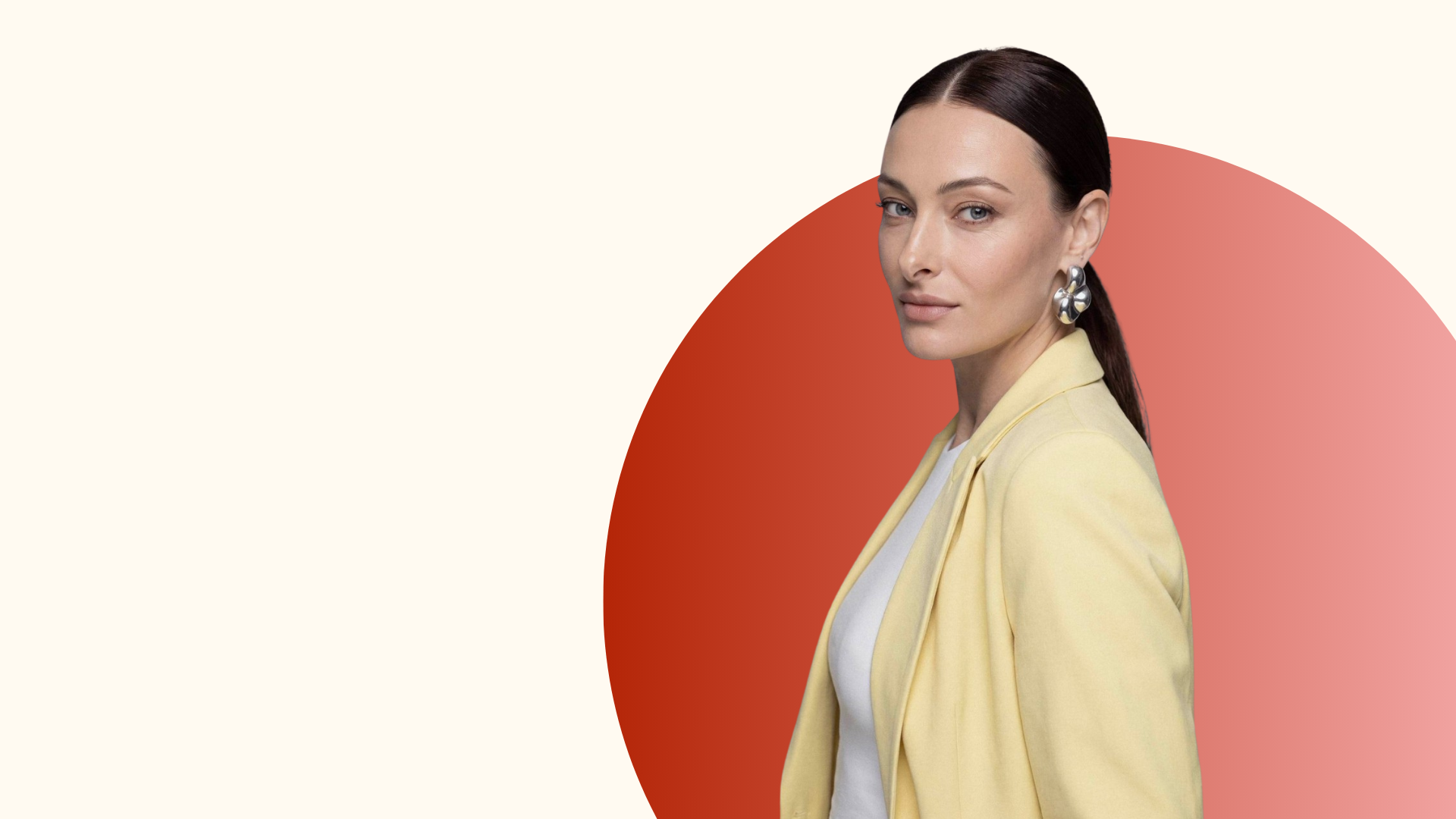
Meet Anastasiia
Anastasiia Shkrabak is an AI visual creator based in Kraków, Poland, originally from Mykolaiv in southern Ukraine. She specialises in photorealistic imagery, cinematic AI videos, fashion-inspired concepts, and creative visual storytelling. Her background is in International Economic Relations, and she spent years working across IT, logistics, and tourism before discovering AI through images she kept seeing on Instagram and not being able to figure out how they were made. She has been building her practice ever since.
In this interview, she talks about how two years of career uncertainty became the time she finally found her creative direction, why her first client found her on TikTok with a request for an anniversary video for his wife, how she thinks about developing a personal visual language rather than following trends, and why confidence came after curiosity, not before.
The Interview
You discovered AI through images you kept seeing on Instagram. What was that moment like?
About a year and a half ago, I started noticing a new visual style appearing more and more often on Instagram. The images felt different from anything I had seen before, cinematic, surreal, beautifully stylized, yet somehow incredibly realistic. At that time, I didn't even know they were created with Midjourney. I was simply fascinated and kept asking myself, how are people creating these worlds? Looking back, I think what attracted me wasn't the technology itself. It was the feeling that these images looked surprisingly close to the scenes I had always imagined in my own mind. That curiosity became the beginning of everything.
Your background is International Economics, then IT, logistics, tourism. How did all of that lead here?
Each experience taught me something valuable, but deep down I always felt there was a creative side of me waiting to be explored. I've always loved photography, visual aesthetics, and creating videos, but I never had a profession that allowed me to fully express that passion. When I discovered generative AI, everything suddenly clicked. It became the perfect creative medium, allowing me to transform the ideas, scenes, and stories from my imagination into visuals. It felt like I had finally found a way to express the creativity that had always been a part of me. Moving from Ukraine to Poland was also a major life transition, and afterward I spent quite a long time trying to figure out what I truly wanted to do. Looking back, those two years weren't just a career break, they were a period of self-discovery.
You started from almost zero technically. How did you actually learn?
I started exactly where many people start today, with curiosity. After discovering AI-generated images on Instagram, I wanted to understand how they were created. At first, I learned almost entirely on my own. I followed AI creators, explored free resources, watched tutorials, and experimented with different tools. I intentionally began with free platforms because I wanted to discover whether AI was truly something I wanted to pursue before investing in courses. Later, I enrolled in a short intensive course focused on AI photoshoots and video generation, and then a more comprehensive AI content creation program covering image generation, AI photography, and video production. Even today, I still learn the same way. I follow other creators, participate in AI communities, read discussions, and constantly experiment with new tools. In AI, learning never really stops because the technology evolves almost every day.
Your first client found you through TikTok and wanted an anniversary video for his wife. What did that feel like?
It was a very personal project, so I've never shared it publicly, but I still remember how meaningful it felt. It was the first time someone trusted me to create something emotional and unique for an important moment in their life. It took me around two months from the moment I seriously started learning AI to getting my first client. I had spent those first weeks learning the tools, experimenting with different ideas, creating personal projects, and building a portfolio. After that first project, more opportunities started coming through friends, recommendations, and people who had seen my work online. Confidence didn't come first. Curiosity did. Confidence simply grew with every project I created.
What does your creative process actually look like day to day?
No two days are ever the same, and that's one of the things I love most about this work. Sometimes an idea simply appears in my mind, and I start building it from scratch. Other times, inspiration comes from something I notice, a place, a person, a color palette, a film, or even a small everyday moment. When I work with clients on AI photoshoots, they often share references or describe the mood they're looking for. From there, I develop concepts that reflect both their vision and my own creative interpretation. I also enjoy creating personal projects between client work. One of my favorite personal series was reimagining my friends in artistic concepts inspired by how I see their personalities. For me, creating with AI is never repetitive. Every project starts with a different story.
What tools do you use most, and how do you think about choosing them?
My choice of AI tools depends on the project, but there are a few I use almost every day. For brainstorming ideas, refining prompts, and organizing creative concepts, I mainly use ChatGPT and Claude. They help me structure my thoughts before I begin creating. For AI video generation, Kling is one of my primary tools, and I also work with Seedance depending on the project. For image creation and creative workflows, I often use Higgsfield, especially because it brings together several powerful tools including Nano Banana Pro in one platform. I always choose the tool that best supports the idea, not the other way around. Pinterest has probably been my biggest source of visual inspiration outside of AI tools. I love exploring photography, fashion editorials, architecture, colors, and cinematic compositions. I rarely recreate ideas directly, but they often spark completely new concepts in my own work.
What has been the hardest part of building this career?
The hardest part wasn't learning the tools, it was learning to believe in myself. In the beginning, I wasn't sure if my work would be interesting to anyone. I genuinely enjoyed creating, but at some point I started wondering, does anyone actually need this? Will people like what I make? Another challenge was putting myself out there. I'm not someone who enjoys aggressively promoting myself or constantly reaching out to potential clients, so that part felt uncomfortable at first. I was also very conscious of not getting lost in a sea of similar AI-generated content. There are so many talented creators, and while their work inspired me, I didn't want to simply recreate what everyone else was doing. Instead, I focused on finding my own creative voice.
What mistakes did you make, and what do you wish you had known earlier?
I'm a perfectionist by nature, so one of my biggest challenges was spending far too much time trying to make every image perfect. Looking back, I realize that perfection isn't always the goal, progress is. I also experimented with almost every AI tool and creative direction I could find, and I found myself comparing my work to creators who had already been doing this much longer than I had. It took time to realize that everyone starts somewhere, and comparing your first steps to someone else's years of experience is never fair. I would tell my younger self: don't be afraid to start. Don't be afraid to experiment. Don't be afraid if your first projects aren't perfect. If you're genuinely passionate about creating, keep going. Finding your own style takes time, and that's completely normal.
What would you say to a woman who thinks AI is too technical for her?
If you're curious about AI but feel that it's too technical, I'd say this: don't let that stop you. I don't come from a technical background. I'm not a programmer or a designer, and I started from zero. What I did have was curiosity and a genuine love for creativity. Everything else came with practice. You don't need to know everything before you begin. You don't need to create perfect work from day one. Give yourself permission to learn, experiment, make mistakes, and improve. The more you create, the more your creative eye develops, and one day you'll look back and realize how far you've come. Don't wait until you feel completely ready. Start now. You don't have to be technical to succeed with AI. You just have to be curious enough to begin.
JOIN AK ACADEMY
AK Academy brings together courses, workshops, interviews, and a community to help women build practical AI skills for real professional use.