Interview
How Deniz Went from Painting to Directing AI Films for Runway, Luma and Kling
with Deniz Kozakiewicz, Gen AI Director and Art Director, Barcelona
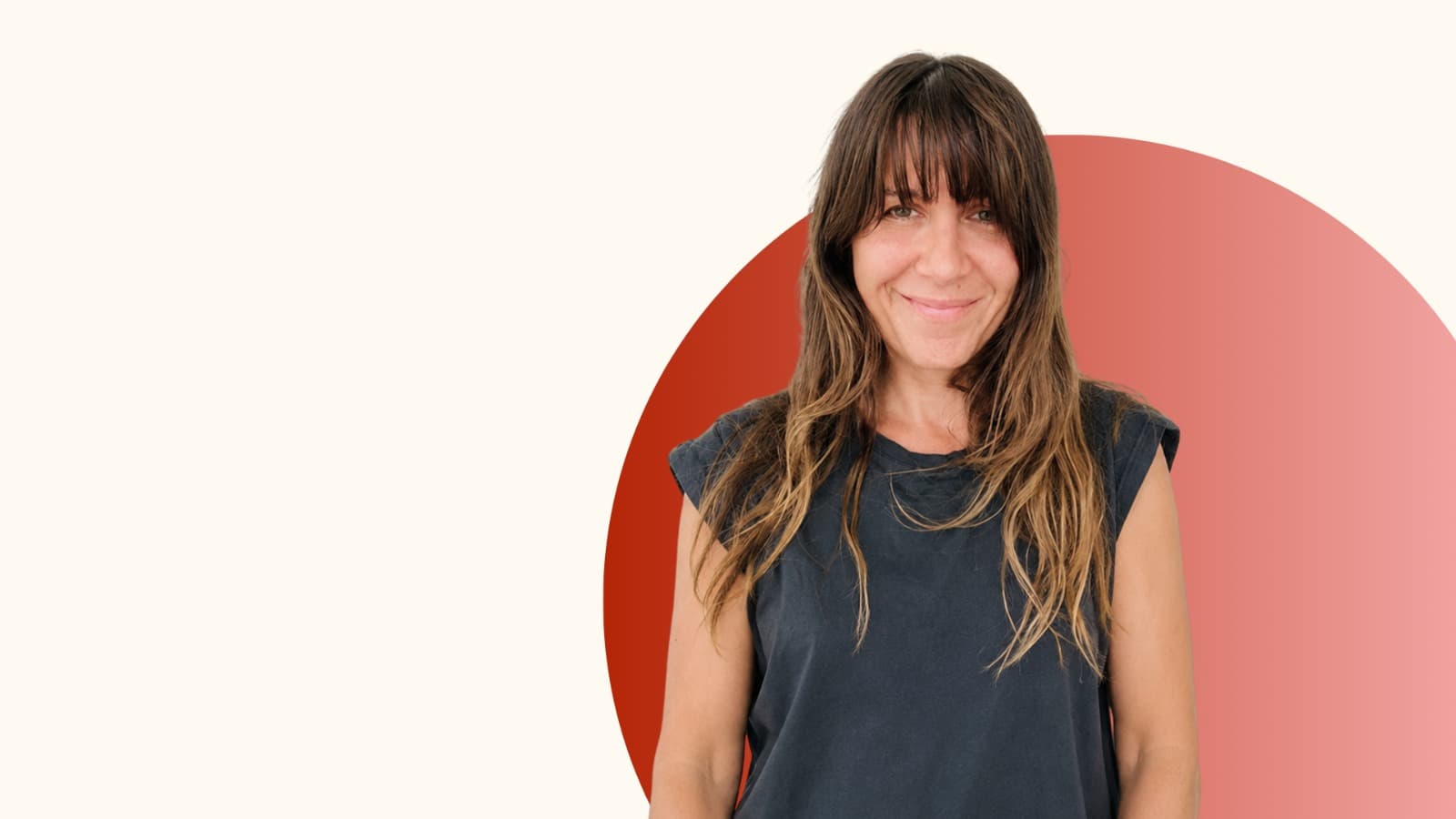
Meet Deniz
Deniz Kozakiewicz is an art director and Gen AI art director based in Barcelona, Spain. She studied Graphic Design at Bilkent University before continuing at Central Saint Martins in London, then spent more than 25 years working across fashion, music, branding, and film. She was on the verge of leaving the industry to move to a quiet coastal town and paint full time when AI changed everything.
Today, she is one half of the Barcelona-based AI studio WE MAY MAKE IT, represented globally by Pocko and SXV Sound x Vision. She is part of ten Creator Partnership Programs, including Runway, Dreamina, and Kling, and is currently working with a film crew on a fully AI-produced TV series at AuthorsFirst.ai while also creating her own French New Wave-inspired mini series.
In this interview, she talks about why she put her paints aside the moment AI made cinematic solo production possible, how posting experimental work every day led to global representation without sending a single pitch, why the biggest mistake people make with AI is focusing on the tool instead of the idea, and what she means when she says she always felt like a single sock spinning inside a running washing machine.
The Interview
You planned a quiet life painting in a coastal town. How did you end up directing AI films for global brands instead?
I studied Graphic Design at Bilkent University in Ankara on a full scholarship, then continued at Central Saint Martins in London, exploring art direction, product design, experimental fashion illustration, photography, low-budget filmmaking, and furniture design. I spent more than 25 years working as an independent creative director and designer across fashion brands, museums, music artists, clubs, and festivals.
I had almost achieved my idea of living a peaceful, simple life in a coastal town as a painter. But AI completely changed the scale of what became possible as a single creator, so I couldn't resist. I put my paints aside and postponed that plan. Instead of needing large production teams, I could suddenly create cinematic worlds on my own. That was incredibly inspiring.
What did you see in AI early on that most people were missing?
The first results were technically rough, but I immediately saw the creative potential. I was not interested in making funny images. I wanted to know whether AI could become a serious filmmaking and artistic tool. It always felt like a block of marble that I was carving to reveal a sculpture. The results vary depending on how deep you are willing to dig.
The real turning point was realising AI was not replacing creativity. It was removing technical barriers. For the first time, I could think almost entirely as a director rather than worrying about budgets, locations, crews, or impossible productions. That completely changed my perspective.
You had no programming background. What did you actually have that transferred?
My advantage was not technical knowledge. It was decades of experience in drawing, composition, lighting, storytelling, fashion, photography, cinema, and art direction. Those creative skills transferred directly into AI.
I learned almost entirely through experimentation: YouTube, Discord communities, Instagram, documentation, studying other artists' workflows, and spending countless hours testing prompts. The biggest teacher was not any course. It was making thousands of images that failed. And talking to other people who were in the same position as me.
Starting was the hardest part. It felt like someone had handed me a dictionary and expected me to memorise every word at once. But I went one word at a time instead.
You posted your experimental work every day and ended up being represented globally. How did that happen?
I found the perfect moment to begin when I had just immigrated to Spain and did not have my work permit yet. I was sorting paperwork, painting, and without my Istanbul gallery contacts. I thought: this is the perfect time to start something completely new. I told my friends on Instagram: I will be sharing my experimental work every day from now on. If you get tired of me, feel free to unfollow me.
While I was expecting to get cancelled, I received a call from Pocko asking to represent me as an AI artist. Things evolved very quickly after that. I received creative partnership offers from major AI companies, and right now I am part of ten Creator Partnership Programs in total, including Runway, Luma, Kling, Higgsfield, and others.
Walk us through how your first real commercial projects came together.
First I made a music video for my friends' band in Turkey to test how far I could go. It worked well, and it led to a TV commercial job with Zeitsprung, which I brought with me to Pocko.
Before we even finished that project, I received the North Sails x Marco Oggian collection project for Milano Design Week. The collection had been designed but had not been produced yet, so I had to create a video without having any of the final products in my hands, using the AI technology available in late 2024. It was such a relief when the project turned out to be successful. We were all so happy at the end. That project opened a lot of doors.
What does your work actually look like right now, at full capacity?
Lately it has been quite hectic. I have been working a minimum of nine to ten hours a day on a fully AI-produced TV series at AuthorsFirst.ai, and on top of that I have had three additional jobs that I squeezed into weekends for the past three months. Every week, something that seemed impossible suddenly becomes possible. It is probably the fastest-moving creative industry I have ever experienced.
My top three tools right now are Nano Banana for image generation, Seedance for video generation, and Midjourney for brainstorming and visual exploration. I am also represented globally by Pocko in London, Berlin, and Tokyo, and SXV Sound x Vision in LA, and work on a project basis with Iconoclast TV, Public Film, Adios Adios, and Zeitsprung.
What is the biggest mistake you see people make when they start with AI?
They focus on the tool instead of the idea. Anyone can access AI. Not everyone develops original creative thinking. Whatever technique you master becomes useless within a couple of months, so obsessing over prompts is a losing game.
The work that lasts is built on creative vision, not technical proficiency. First drafts, mood boards, concepts, proposals, scripts: AI can create an excellent starting point in minutes. But the idea that makes it worth making still has to come from you.
What did you wish you had known earlier?
That consistency matters more than perfection. Publishing your work regularly creates opportunities much faster than waiting until everything feels perfect.
I always felt like a single sock in a running washing machine. It is chaotic. There is too much information. But most of it is not necessary. Just focus on one thing at a time.
I did not make any mistakes in the beginning. I simply did the best I could with what I had at the time. That is the only honest answer I have.
What do you say to a woman who thinks AI is too technical for her?
You do not need to become a programmer to build a successful AI career. Creativity, communication, empathy, and visual thinking are incredibly valuable skills. AI is becoming easier to use every month.
The people succeeding today are not the ones who know everything. They are the ones who keep experimenting, learning, and sharing their work. Choose one niche. Become known for one thing first. Curiosity is far more valuable than perfection. Do not wait until you feel ready.
JOIN AK ACADEMY
AK Academy brings together courses, workshops, interviews, and a community to help women build practical AI skills for real professional use.