Interview
How Hoshini Built ModelSnapper to Solve Fashion's Most Expensive Problem
with Hoshini Perera, Founder of ModelSnapper, Colombo, Sri Lanka
Meet Hoshini
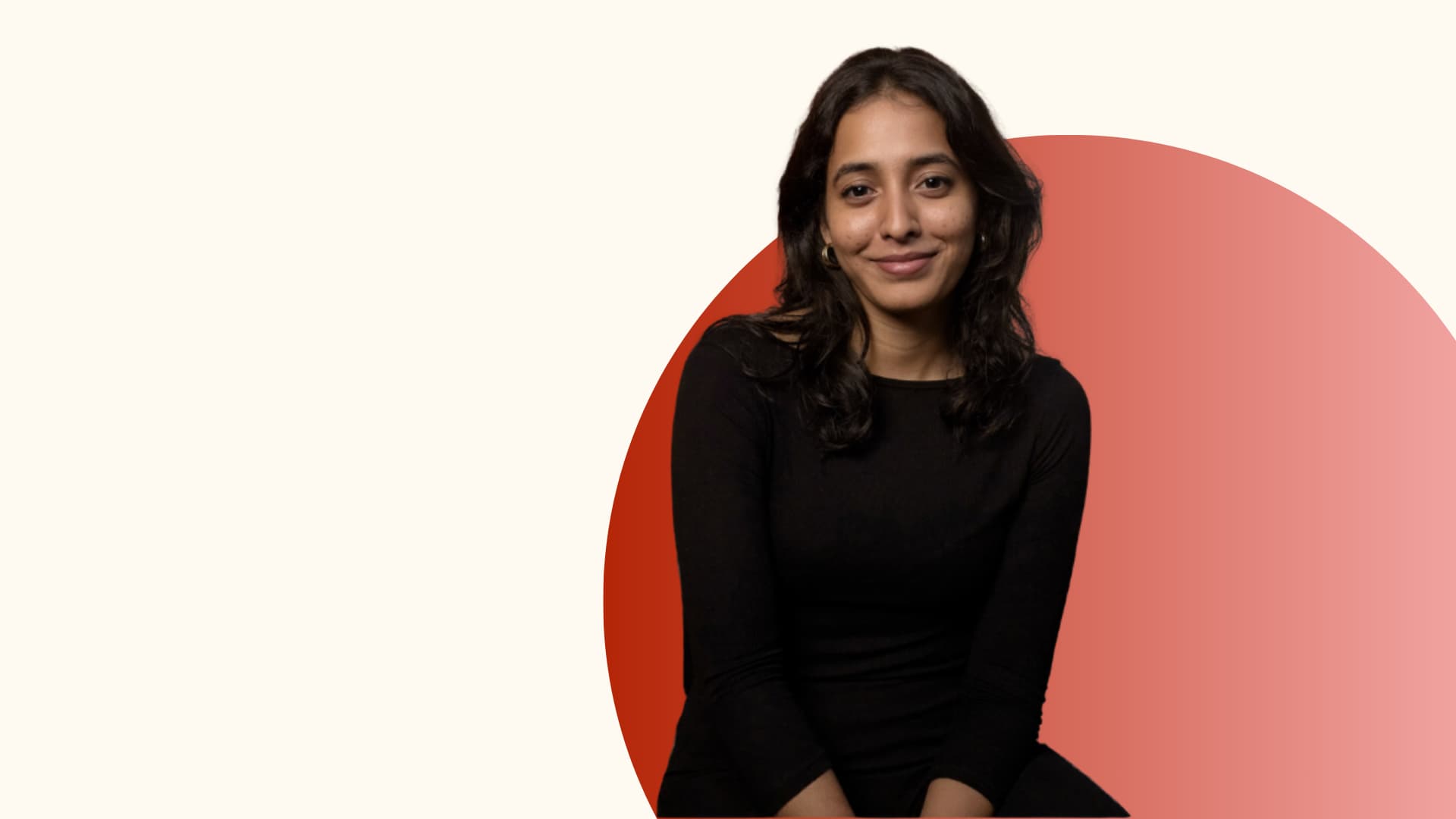
Hoshini Perera is the founder of ModelSnapper, an AI fashion photography platform that lets brands generate on-model product imagery without a physical photoshoot, and ModelSnapper Studio, a done-for-you content production service for fashion brands. She is 26, based in Colombo, Sri Lanka, and came to building through six years of GTM and product marketing roles at Sri Lankan and UK startups. ModelSnapper started at a hackathon that got cancelled due to flooding, and she built it anyway.
In this interview, she talks about how field research at Colombo Fashion Week confirmed the gap she was solving, why the cancelled hackathon became the real starting point, how she built a paying user base while keeping her day job, and why your domain name is never a detail worth postponing.
The Interview
What is ModelSnapper and what problem does it solve for fashion brands?
ModelSnapper is an AI fashion photography platform that lets brands generate on-model product imagery without doing a physical photoshoot. There is a self-serve SaaS side at modelsnapper.ai, and a done-for-you agency side, ModelSnapper Studio, where I work directly with fashion brands to produce their content for them.
Traditional photoshoots are expensive, slow, and out of reach for smaller brands. ModelSnapper solves that. I did field research at Colombo Fashion Week, talking to people about the model economy and learning how dependent brands are on agencies. That is when it clicked. This was not just a cool AI use case. It was solving a real, expensive problem.
The hackathon that was supposed to launch ModelSnapper got cancelled due to flooding. What happened next?
By the time the hackathon was cancelled, we had already built our MVP and website, and we did not want the idea or the work to die with a cancelled event. So we kept going regardless.
The cancelled hackathon, weirdly, ended up being the real starting point. I had the idea, the event that was supposed to launch it fell through, and I had a choice: let it go, or build it anyway. I built it with my co-founder anyway. That was October 2025, and I have been building from there ever since.
You built six years of GTM and product marketing experience before starting. How did that shape ModelSnapper?
I started my career as an intern at a Sri Lankan fintech startup, saying yes to everything across marketing, operations, and admin. That taught me fast how a startup actually runs day to day. From there I moved through a leading marketing agency, a UK outbound agency handling client retention and email and LinkedIn campaigns, and then into product marketing as Product Marketing Lead at ShoutoutLabs, running GTM across multiple products.
ModelSnapper grew directly out of that experience, plus seeing a real gap in the fashion industry. I did not come from and I always wanted to be a founder. I came up through six years of learning how to actually get products in front of people and sell them, and that foundation is what made the difference when I started building something of my own.
You kept your day job while building ModelSnapper. How does that parallel path work?
I still work as a GTM operator and QA tester for a USA AI startup alongside building ModelSnapper. It is not a quit your job, leap into the unknown story. It is more that I have built parallel income and parallel skill-building while ModelSnapper grows. That approach took some of the all-or-nothing pressure off the decision.
The risk of leaving a traditional path is real. I will not pretend it is not. But building in parallel meant I did not have to choose between stability and building something meaningful. I could do both at once.
How long did it take to get your first paid user, and how did you build the early audience?
It took roughly four to five months to get our first paid user. But we hit 80 free users organically in the first two months, then crossed 300 once influencer marketing kicked in.
The first paying customers came through a mix of direct outreach into the fashion industry, talking to brands directly, going to events like Colombo Fashion Week, and organic content. I built ModelSnapper's audience and my own personal brand, in parallel, which meant people were already warm to who I was and what I was building before I ever pitched them.
What mistakes cost you the most early on?
The big one was assuming things on behalf of our users instead of validating properly and fast. We should have moved quicker on getting real feedback instead of guessing.
The other mistake was not investing in our .ai domain early because it felt too expensive at that stage. A few months later, someone else had taken the exact same domain, and the scary part was they were doing almost the same thing we were. Our SEO and marketing effort risked going straight to them instead of us. That forced us to rethink and differentiate our name.
Things like your domain and brand name are not details to postpone. They are worth protecting from day one, because someone else moving fast can take what should have been yours.
How does AI run through your daily work, both inside the product and around it?
ModelSnapper itself is an AI product, so AI is not separate from my work, it is woven into it. Beyond that, I use Claude for strategy, content, and operations, and no-code AI builders like Replit, Cursor, and Lovable to build and ship product features without a dedicated engineering team.
Claude, Google Antigravity, and Notion have been huge for me. I run a full Notion workspace for ModelSnapper with a dream clients tracker, feedback database, and experiments log, so nothing lives only in my head. Meta Ads for growth, and AI tools across the board for both building and marketing. The ability to ship without a full engineering team has been one of the biggest unlocks of this whole journey.
What does the community side of building in Colombo mean to you?
I am on the Disrupt Asia organising committee and part of SPIKE, the monthly founder meetup. That community keeps me sane and accountable.
Being intentional about who is in your circle from day one is one of the most important things you can do as a founder. I look for people who cheer for others, share knowledge freely, and want to grow together rather than compete in a closed-off way. Building something from nothing and watching it become real, clients, users, revenue, a brand people recognise, is significantly harder and significantly more meaningful when you are doing it surrounded by people who genuinely want to see you get there.
What is the honest version of what building a startup looks like day to day?
It does not look as easy as people see from the outside. There are real difficult moments, days you feel confused, overworked, and some days you feel like giving up. But your heart does not let you.
So it is always a mix of a lot of things happening at once when you are building a startup. The freedom it gives is mostly about who you get to choose to work with. I am intentional about my circle, clients, collaborators, everyone. But I want to be honest that the hard parts are real too. They will teach you more than the easy wins.
What would you say to a woman who is hesitating to start?
You do not need permission, and you do not need everything figured out before you start. I did not have funding, I did not have a perfect plan, the hackathon that was supposed to launch this idea literally got cancelled. Start anyway, with what you have.
Be honest with yourself about the real ups and downs, not just the highlight reel. Find people who cheer for others and share what they know instead of guarding it. And trust the market's feedback over your own assumptions, every time. The hard parts will teach you more than the easy wins.
JOIN AK ACADEMY
AK Academy brings together courses, workshops, interviews, and a community to help women build practical AI skills for real professional use.