Interview
Michelle on Using AI as a Graphic Designer
with Michelle, Graphic Designer
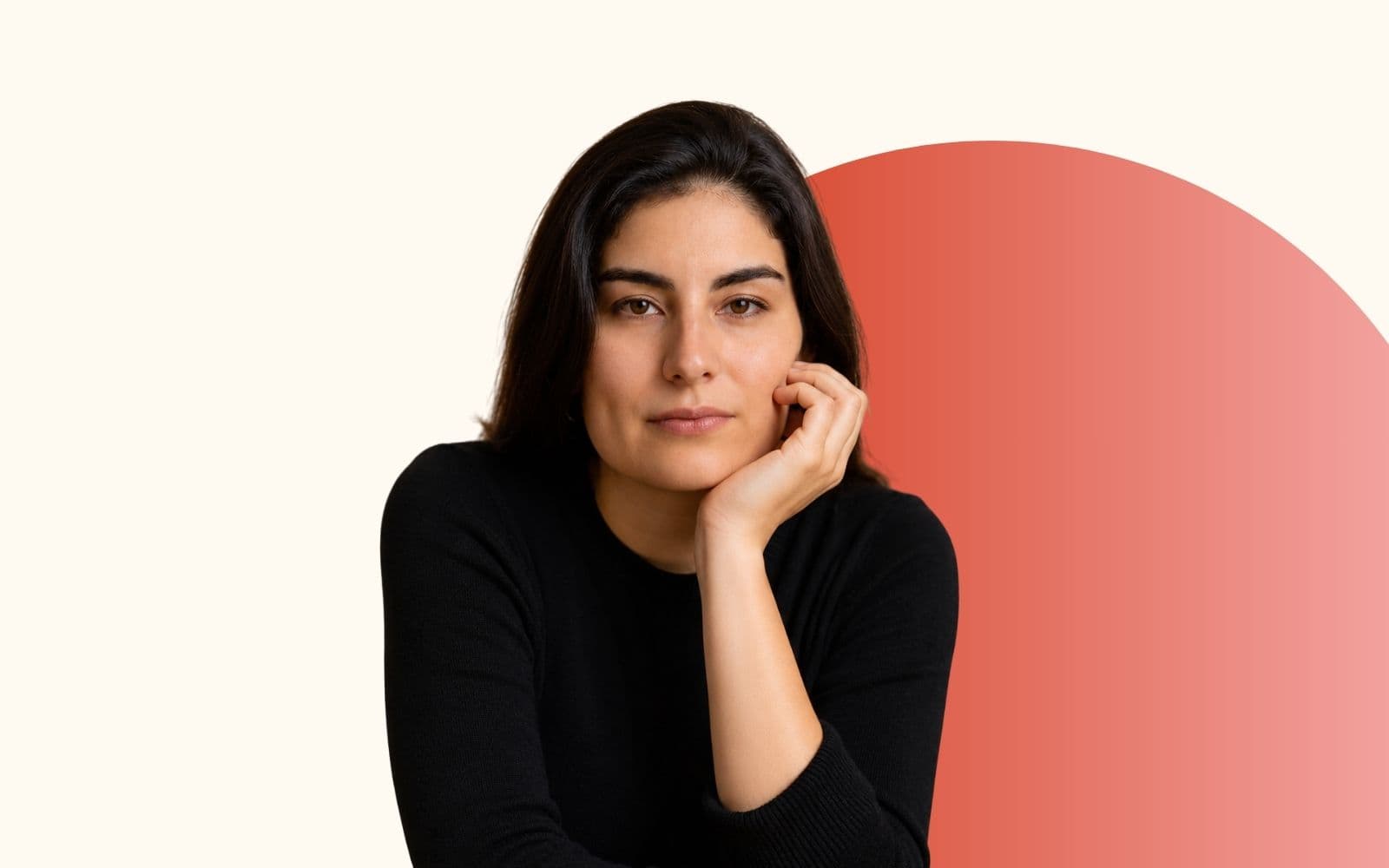
Meet Michelle
Michelle is a graphic designer and AI designer from the Netherlands with two years of agency experience in Barcelona and a master's degree in AI and design nearing completion. She started working with AI tools in 2022 for her graduation project, long before most designers had heard of them, and has since built a freelance practice around AI-powered creative workflows that dramatically accelerate the journey from brief to final delivery.
She also emphasizes the importance of consistently posting your work on social media — you can follow her on Instagram — as a way to build visibility and attract opportunities. In this interview, she explains why being the creative director of your AI tools is the skill that actually matters, and shares why community and visual reference are the two things she wishes she had found earlier.
The Interview
Can you introduce yourself and tell us what you do?
I'm Michelle, I'm from the Netherlands, and I work as a graphic designer and AI designer. I spent two years at a branding agency in Barcelona, where I learned a lot about the creative process, visual communication, and brand identity.
Now I'm back in the Netherlands doing freelance work and finishing a master's degree in AI and design, which has given me a much deeper framework for understanding how these tools actually fit into creative practice.
The combination of hands-on agency experience and academic research into AI has shaped everything about how I approach my work today.
When did you first start exploring AI as part of your creative work?
My first serious engagement with AI was for my graphic design graduation project in 2022. I built a whole brand identity using ChatGPT and an early version of Midjourney, which was very rough at the time.
I also created a short website, a visual system, and wrote an extensive research book on the topic. I even interviewed several well-known creative directors in Barcelona to get their opinions on these tools, most of whom had barely heard of them.
At that point, AI in design was genuinely new territory, and being curious about it early gave me a head start that has compounded ever since.
How did you learn to use these tools? Did you follow any formal path?
Mostly self-taught. I watched YouTube videos, read a lot online, and bought books on speculative and futuristic design because that world was always interesting to me.
What really drove the learning was experimentation. I did not follow a structured course. I just kept trying things, failing at some, and discovering new possibilities through the process itself.
I have always been drawn to what is coming next, and that curiosity kept me engaged even when the tools were limited and the results were rough.
How has AI changed the creative workflow compared to a traditional agency process?
In a traditional agency, a project follows a long chain: briefing, brainstorming, scoping, drafts, client feedback, revisions, more feedback, and then final delivery. That back and forth takes weeks.
With AI, I can do the brainstorming phase in minutes, generate four completely different visual directions, and show the client real options in the first conversation. They choose the direction they like, and I build from that draft straight toward final delivery.
The process is not just faster, it is structurally different. Much less going back and forth, much more time spent on the decisions that actually matter.
What are your top tools right now and how do you use them together?
My core workflow starts with Midjourney for concept generation and brainstorming. I use it to explore a wide range of visual directions quickly, especially at the ideation stage.
From there, I moved to Freepik, which I find very useful because it combines several AI tools in one place, including image generation, refinement, and animation. What ties the whole workflow together is ChatGPT, which I use to improve every prompt before it goes into any image tool. I write the prompt myself, then ask ChatGPT to sharpen it, and if I'm using Midjourney, I tell it so it can format the prompt correctly for that tool.
I also recently discovered a tool that organises your prompts into a structured list, which keeps the whole process tidy.
For anyone starting out, I would recommend picking one text tool like ChatGPT or Gemini and one visual tool like Midjourney or Freepik, and learning those two properly before branching out.
How did you land your first freelance clients?
My first clients came through people I already knew. Colleagues who knew my work recommended me when a client needed image generation for presentations or internal materials.
That network effect got me started. Beyond that, I post my personal work consistently on LinkedIn, because visibility is everything when you are building a freelance practice from scratch. If someone sees work you made for a drink brand, for example, and they happen to have a drink brand, they will think of you. The work has to be visible before the clients can find you.
Is there anything you would do differently if you were starting again?
I think the journey I took brought me to where I am, so I would not change the mistakes because I learned from all of them.
But if I had to name one thing, it would be finding a community earlier. At the beginning, I had no reference to other people working with AI in design. I did not know who to follow, what good work looked like, or who to ask when I was stuck.
Now I follow a lot of people on LinkedIn who are doing interesting things with these tools, and that has accelerated my development enormously. My advice to anyone starting: follow people doing the work, build your visual reference library, and ask questions. That community context shortens the learning curve significantly.
What is the most important skill for someone working with AI in a creative field?
Training your eye. Building a strong internal reference library of what good work looks like and, crucially, why it is good. That judgment is what guides everything else.
The tools do not make your work better on their own. What makes your work better is the quality of your input, your ability to direct the AI toward something that actually meets the brief. You are always the creative director of the process.
The AI is fast and capable, but it has no taste, no criteria, no sense of what is right for this brand or this audience. That has to come from you. The knowledge behind the work is still entirely human.
What practical advice would you give to women who are just starting with AI creative tools?
Start experimenting as soon as possible, because practice is the only thing that actually builds the skill. Post your work on social media, even early work, because visibility leads to clients and clients lead to feedback and growth.
And do not try to use every platform at once. Choose one or two tools and go deep with them before expanding, because a prompt you write for one AI tool will generally transfer to another. What does not transfer is taste and creative direction, and those only come from consistent practice.
The tools will keep changing. Your eye and your judgment are the assets worth building.
What is your final message to the women in this community?
The most important thing is knowing why you are using AI for a given task. Not just that it is fast or convenient, but what specific value it brings to this project, this client, this creative decision.
The human has to remain behind the whole process, taking the key decisions and staying in control of the creative direction. AI is a powerful tool for execution and exploration, but it has no understanding of meaning, context, or intent. That is yours. Protect it, develop it, and never outsource the thinking part.
JOIN AK ACADEMY
AK Academy brings together courses, workshops, interviews, and a community to help women build practical AI skills for real professional use.